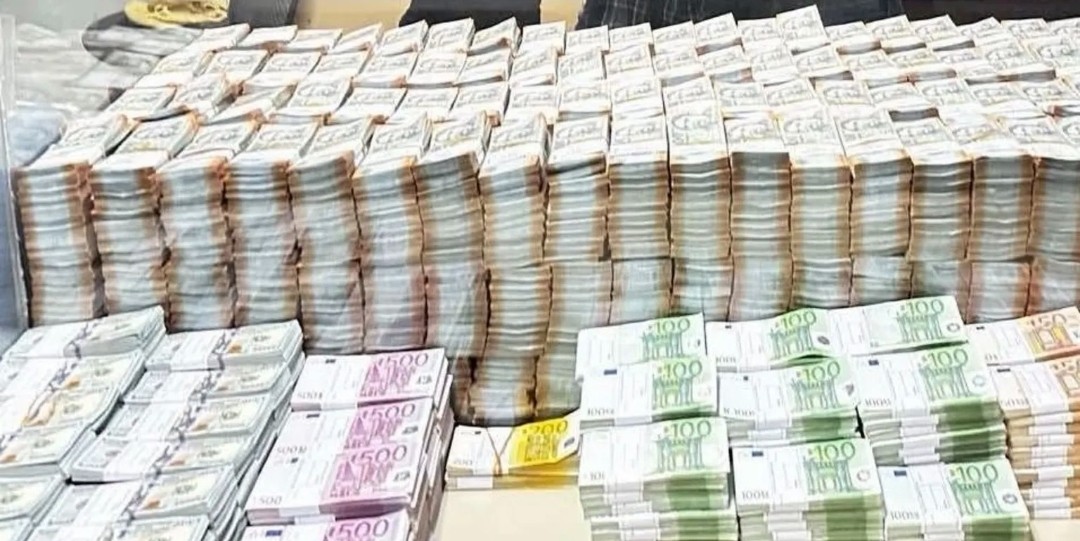
Hungarian authorities have recovered nearly 20 million dollars in cash hidden in farm buildings, warehouses and buried in forests as part of an expanding corruption investigation targeting a former minister who served under ex-Prime Minister Viktor Orbán.
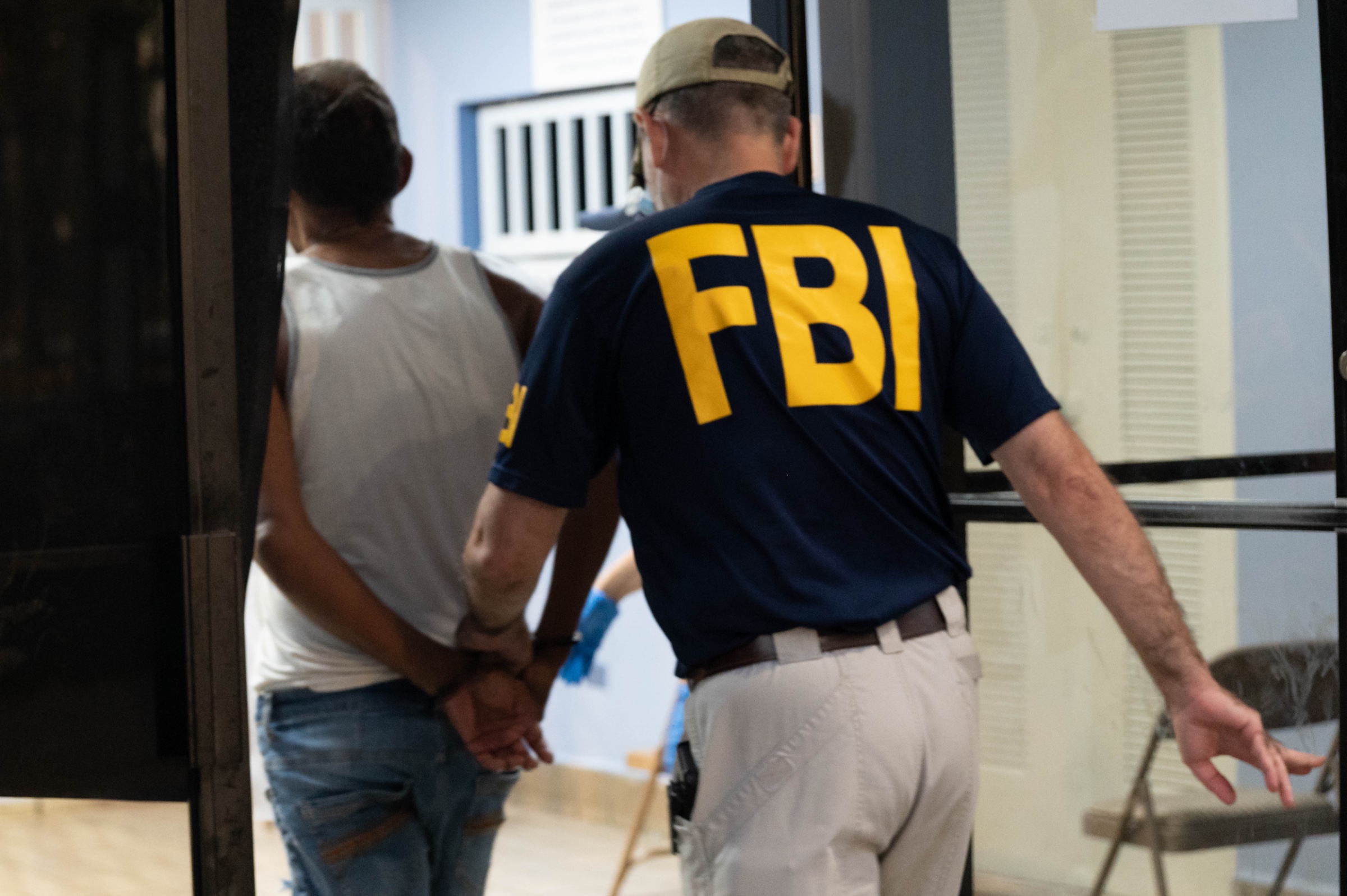
The National Asset Recovery and Protection Office (NVVH) said investigators seized cash worth approximately 19.5 million dollars following a two-day operation conducted at several locations across the country.
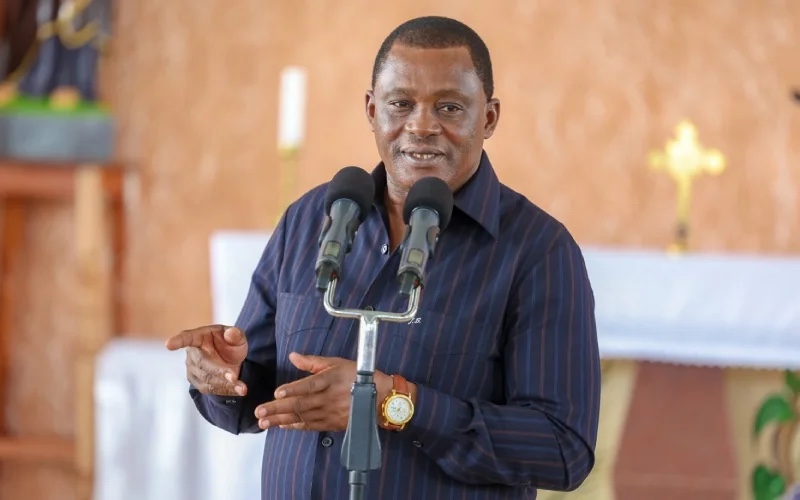
The investigation centres on Miklós Seszták, who served as Hungary's Minister of National Development for four years during Orbán's 16-year tenure in power.
Overview of the corruption investigation
He is accused of accepting bribes in an alleged corruption scheme involving the state transport company. Seszták has denied any wrongdoing.
In a statement, the NVVH detailed the amount recovered as 5 billion, 71 million, 632 thousand Hungarian forints, alongside 2 million, 658 thousand, 350 euros and 1 million, 257 thousand, 100 dollars.
Investigators said the money was discovered in safes, agricultural buildings, residential properties and warehouses, with some of the banknotes concealed underground in secluded woodland locations.
Authorities subsequently transferred the recovered funds to the Hungarian State Treasury as investigations into the alleged corruption network continue.
New Prime Minister Péter Magyar described the operation as a significant step towards ending what he called the country's entrenched system of corruption, declaring on Friday that the discoveries marked the end of the "mafia".
Magyar came to power following a landslide victory in April, defeating Orbán and ending his 16-year rule. He campaigned on promises to dismantle networks of corruption, recover public funds allegedly stolen during the previous administration and introduce sweeping institutional reforms.
The National Asset Recovery and Protection Office was established to investigate suspected corruption linked to the former government.
The investigations form part of a broader anti-corruption campaign dubbed "Operation Purgatory" by Magyar.
Political implications of the findings
Corruption and allegations of cronyism had repeatedly dogged Orbán's administration, with critics accusing his government of directing lucrative public contracts and state-funded projects towards political allies and business associates.
Orbán consistently rejected the accusations.
During his tenure, Hungary also faced sustained criticism from the European Union over democratic standards, institutional independence and the rule of law.
The bloc previously characterised the country as an "electoral autocracy".
The latest recovery comes amid a series of investigations involving prominent figures from the former administration.
Two former ministers, including Seszták, as well as former central bank governor György Matolcsy, have been under arrest since September over separate corruption investigations. All have denied the allegations against them.
Reactions from former Prime Minister Orbán
Separately, Hungarian authorities on Monday detained Orbán's younger brother and three other individuals in connection with an investigation into alleged human smuggling.
The former prime minister has dismissed the developments as politically motivated, accusing the new administration of using law enforcement agencies to eliminate political opponents.
In a statement responding to the arrest of his brother, Orbán described the investigations as political revenge, arguing that the ultimate objective was to establish a one-party system.
"In this dirty game, the aim is the elimination of the political opponent and the establishment of a one-party system," Orbán said.
He further claimed that he was the actual target of the investigations, describing his younger brother as merely a tool in what he termed a politically driven campaign.
The recovery of the nearly 20 million dollars is among the most significant developments yet in Magyar's efforts to investigate alleged financial misconduct during Orbán's lengthy administration, with authorities expected to pursue further investigations into suspected corruption and the recovery of public assets.