Eritrea has achieved a major public health milestone after successfully eliminating trachoma as a public health problem, marking a significant step in the global fight against preventable blindness.
The achievement has been celebrated as a victory for the people of Eritrea and the wider international health community, particularly in efforts to combat neglected tropical diseases that continue to affect vulnerable populations.
Trachoma is an infectious eye disease caused by the bacterium Chlamydia trachomatis. It spreads through contact with eye and nasal discharge from infected individuals, as well as through contaminated hands, clothing and other personal items.
Understanding trachoma and its impact
The disease remains the world's leading infectious cause of blindness, with repeated infections capable of causing permanent damage to the eyes when left untreated.
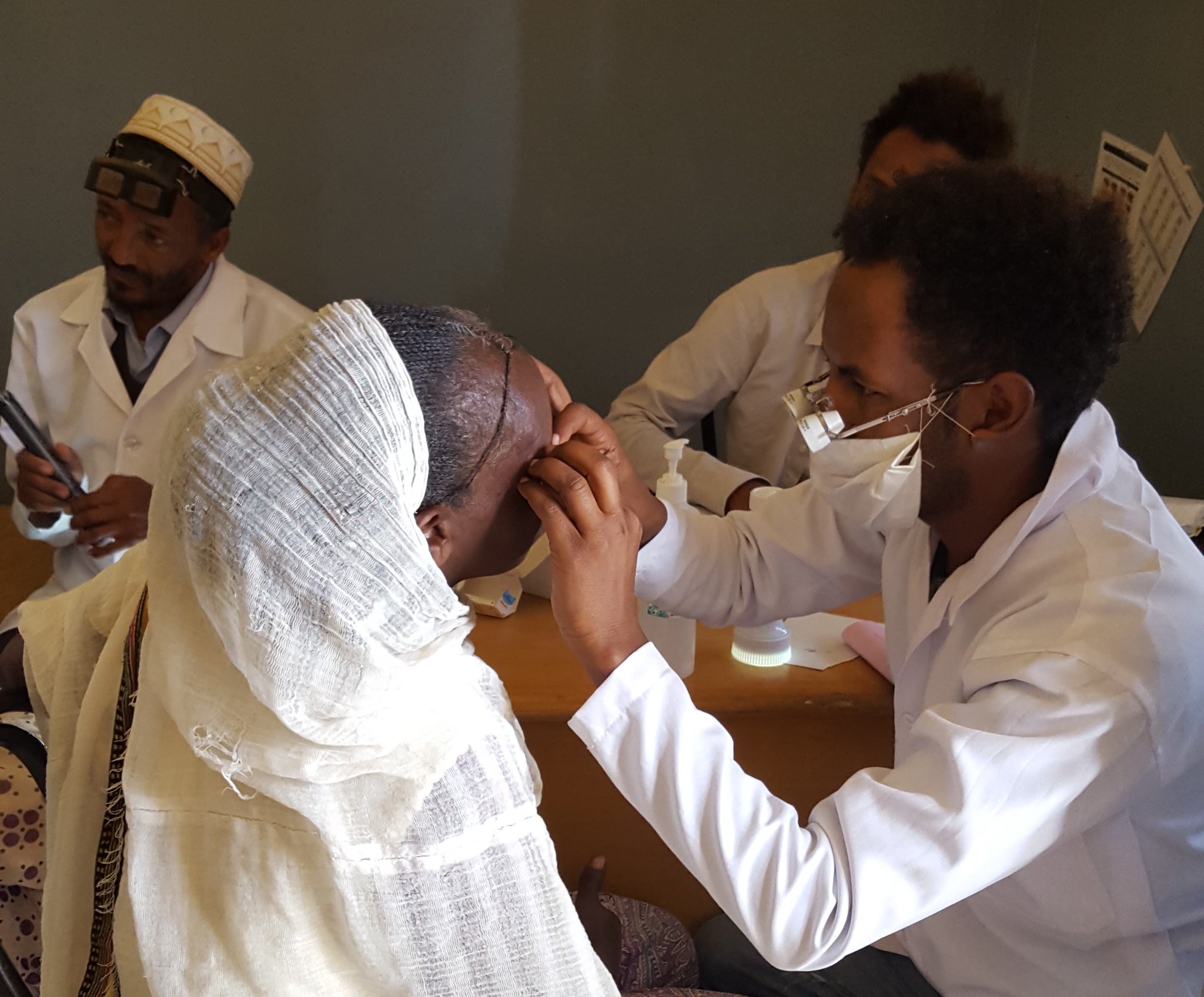
In its early stages, trachoma causes inflammation of the inner surface of the eyelids. However, repeated infections can lead to scarring, causing the eyelids to turn inward and the eyelashes to rub against the eyeball.
This condition, known as trachomatous trichiasis, can result in severe pain, damage to the cornea and eventually irreversible blindness if patients do not receive timely medical attention.
Eritrea's achievement highlights the importance of sustained public health interventions, community participation and improved access to essential healthcare services in tackling diseases that disproportionately affect communities with limited resources.
Key strategies for elimination
The World Health Organization (WHO) recommends the SAFE strategy as the main approach to eliminating trachoma as a public health problem.
The strategy involves surgery to correct advanced stages of the disease, antibiotics to treat infections, facial cleanliness to reduce transmission and environmental improvements to ensure communities have access to clean water and proper sanitation.
These interventions are aimed at treating infected individuals, preventing new infections and reducing the conditions that allow the disease to spread.
Public awareness is also essential, as communities need to understand how the disease spreads, recognise its early symptoms and seek medical attention before complications develop.
Eritrea's progress demonstrates how combining medical treatment with preventive measures and improvements in community hygiene can help address diseases that have remained a public health challenge for generations.
Broader implications of success
The milestone also comes amid wider international efforts to eliminate neglected tropical diseases, which affect millions of people globally and often place a heavy burden on communities with limited access to healthcare.
Trachoma elimination is particularly significant because blindness caused by repeated infections can affect people's ability to work, attend school and carry out everyday activities, placing additional pressure on families and communities.
While eliminating trachoma as a public health problem does not necessarily mean that every infection has disappeared, it indicates that the disease has been reduced to levels below the thresholds established by the World Health Organization.
The international health community continues to encourage countries to strengthen disease surveillance and maintain preventive interventions to protect the progress already achieved.
Eritrea's success adds to global efforts to reduce preventable blindness and demonstrates the importance of sustained investment in public health, sanitation and disease prevention.