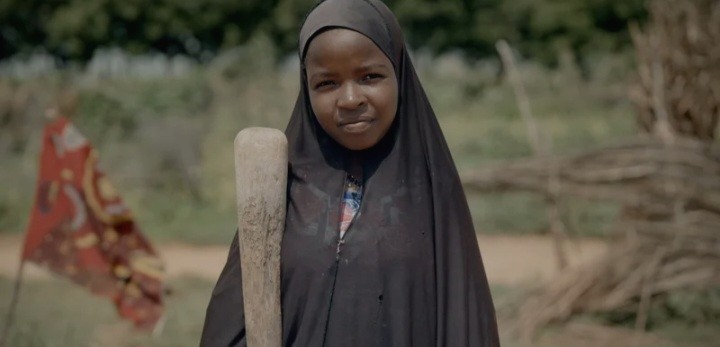
For 15-year-old Hadiza, becoming a doctor is still a dream, even though she has not stepped into a classroom for years. Instead of spending her days studying, she is now married and spends much of her time doing housework at her in-laws’ home.
Her education was disrupted after armed men raided her village in northern Nigeria, forcing her family to flee to a displacement camp in Goronyo. The attack left residents frightened, with reports that the gunmen abducted a girl during the raid.
Hadiza briefly returned to school after arriving at the camp, hoping to continue with her studies. However, at just 13, she got married and dropped out, as girls in her community are traditionally expected to leave school once they become wives.
Challenges faced by displaced children
Despite the interruption, she has not completely abandoned her education. She still practises writing on the ground and sings the English alphabet while carrying out household chores, determined not to forget what she learnt.
Her story reflects the difficult choices facing millions of children in Nigeria, where insecurity, poverty and early marriage have pushed education out of reach for many.
According to UNESCO estimates released in 2024, about 19 million Nigerian children are out of school, meaning roughly one in every four school-age children is missing out on formal education.
While some children are forced out of classrooms by violence, others are kept away by the responsibility of helping their families survive.
Twelve-year-old Rukayya knows this struggle too well. After armed bandits allegedly killed her father in front of her, her family was forced to leave their home and seek safety elsewhere.
With her father gone, Rukayya has taken on responsibilities beyond her age. She collects firewood to sell and sometimes begs for food and money to help provide for her younger siblings.
School has therefore become a luxury she cannot afford, even as she watches other children continue with their education.
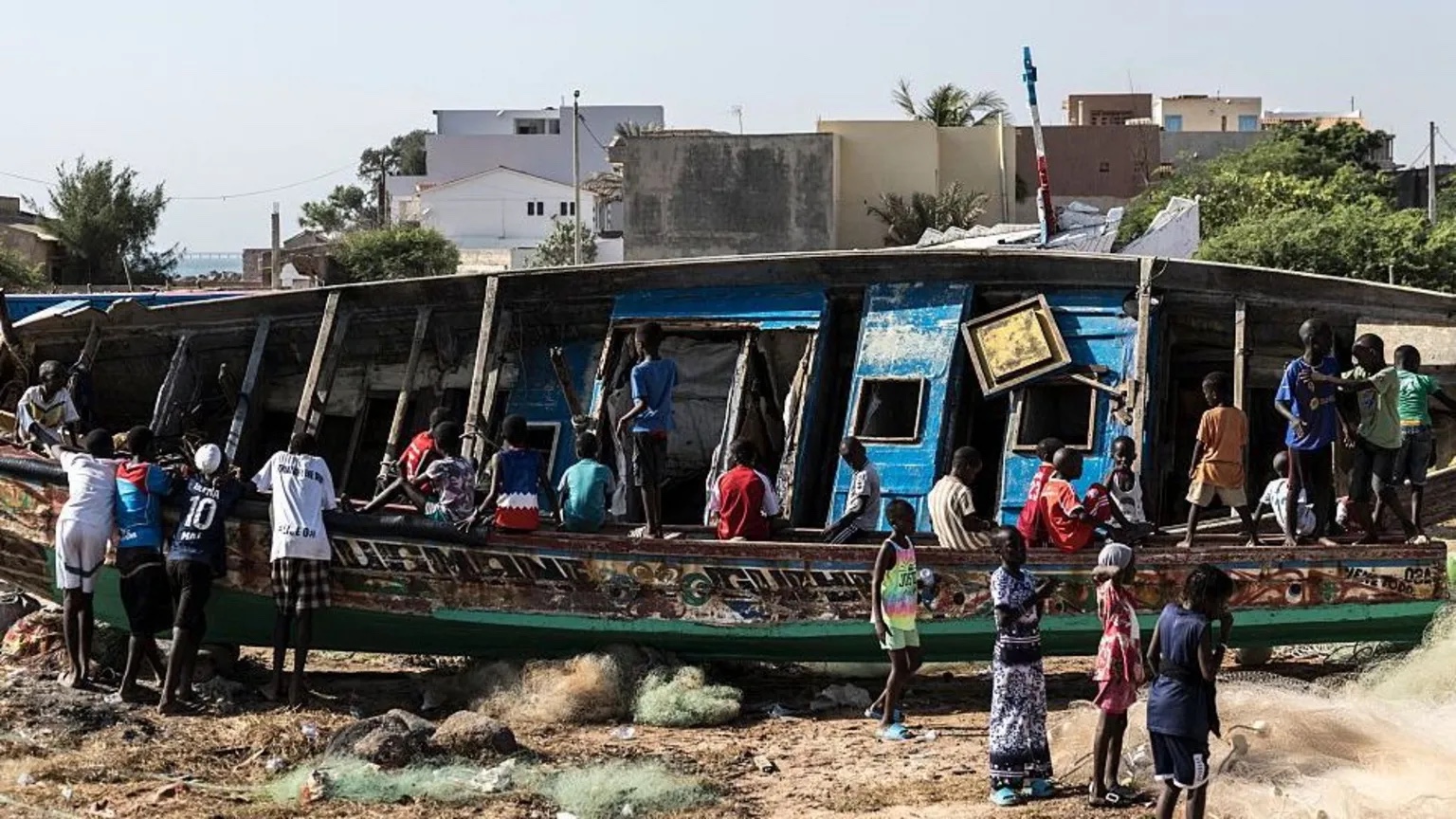
Rukayya and Hadiza are among the children affected by displacement in Nigeria's north-western and central regions, where armed attacks, kidnappings and robberies have forced families to abandon their homes.
Impact of insecurity on education
The International Organization for Migration estimates that about 670,000 people have been displaced in the affected regions, disrupting children's access to basic services, including education.
The situation is also made worse by insecurity around schools. In Goronyo, the only school serving children in the displacement camp struggles with overcrowded classrooms, with about 50 pupils in each class.
Teacher Kamilu Sulaiman Jakada says attendance remains low despite the school offering free lessons. Many children are unable to attend because their families depend on them to earn money, collect firewood or help with other daily activities.
The school also faces a shortage of teachers and classrooms, while funding remains inconsistent. Its challenges have been compounded by threats from armed groups, with Jakada recalling an incident in which bandits rode into the school on motorcycles and fired shots into the air.
The incident frightened parents, some of whom subsequently withdrew their children.
Although Nigeria provides for nine years of free and compulsory basic education, the reality for many families is different. The cost of uniforms, books and transport remains a barrier, while years of underfunding and poor oversight have affected the quality and availability of learning facilities.
Government response to education crisis
Minister of State for Education Professor Suwaiba Sa'id has acknowledged gaps in investment and oversight, noting that some states have gone for up to eight years without recruiting teachers.
Efforts are, however, being made to reach children who have missed out on formal education. The Lumina initiative aims to support one million girls by 2030 through accelerated learning programmes.
The BBC World Service has also introduced Dars Hausa, which provides lessons in English, mathematics and science through radio, social media and local television.
But for children such as Hadiza and Rukayya, the challenge goes beyond getting access to a classroom. It means overcoming the circumstances that forced them to abandon their education in the first place.