Democrats have secured at least 258 seats in the United States House of Representatives, recording their largest general election majority since 1992 and giving the party control of both chambers of Congress from January 2027.
The historic result was confirmed on Sunday, November 22, after Democratic candidate Chuck Hubbard defeated Republican incumbent Virginia Foxx in North Carolina, bringing the party's gains to 44 seats in the November midterm elections.
The victory leaves Republicans with at least 173 seats in the 435-member House, while four races remain unresolved, including contests in Minnesota and Tennessee and two Louisiana seats heading to December runoffs.
The Democratic gains exceed the 40 House seats the party won during President Donald Trump's first midterm elections in 2018 and mark its strongest performance since Bill Clinton's election in 1992, when Democrats also secured 258 seats.
The outcome will reshape the balance of power in Washington, with Democrats set to control the House and Senate while Trump, a Republican, remains in the White House.
The arrangement will create divided government, placing the president's legislative agenda under increased scrutiny as Democrats prepare to use their congressional majority to pursue their priorities and investigate his administration.
Democrats also secured 56 seats in the 100-member Senate, giving them their largest advantage in the chamber in more than a decade. The Senate result, combined with their expanded House majority, will give the party greater influence over legislation, government spending and congressional investigations.
The party is preparing a 100-day legislative agenda focused on the cost of living and healthcare, with plans to introduce measures aimed at reversing Republican cuts to Medicaid and restoring tax credits under the Affordable Care Act that were allowed to expire.
Medicaid provides health coverage to eligible low-income Americans and certain other groups, while the Affordable Care Act, commonly known as Obamacare, provides a framework for expanding access to health insurance. The proposed restoration of the tax credits is intended to make insurance coverage more affordable for eligible households.
Beyond its legislative priorities, the incoming Democratic majority is planning extensive investigations into Trump's administration, using congressional subpoena powers to examine issues surrounding the exercise of presidential authority and the financial dealings of the president and his family since his return to office.
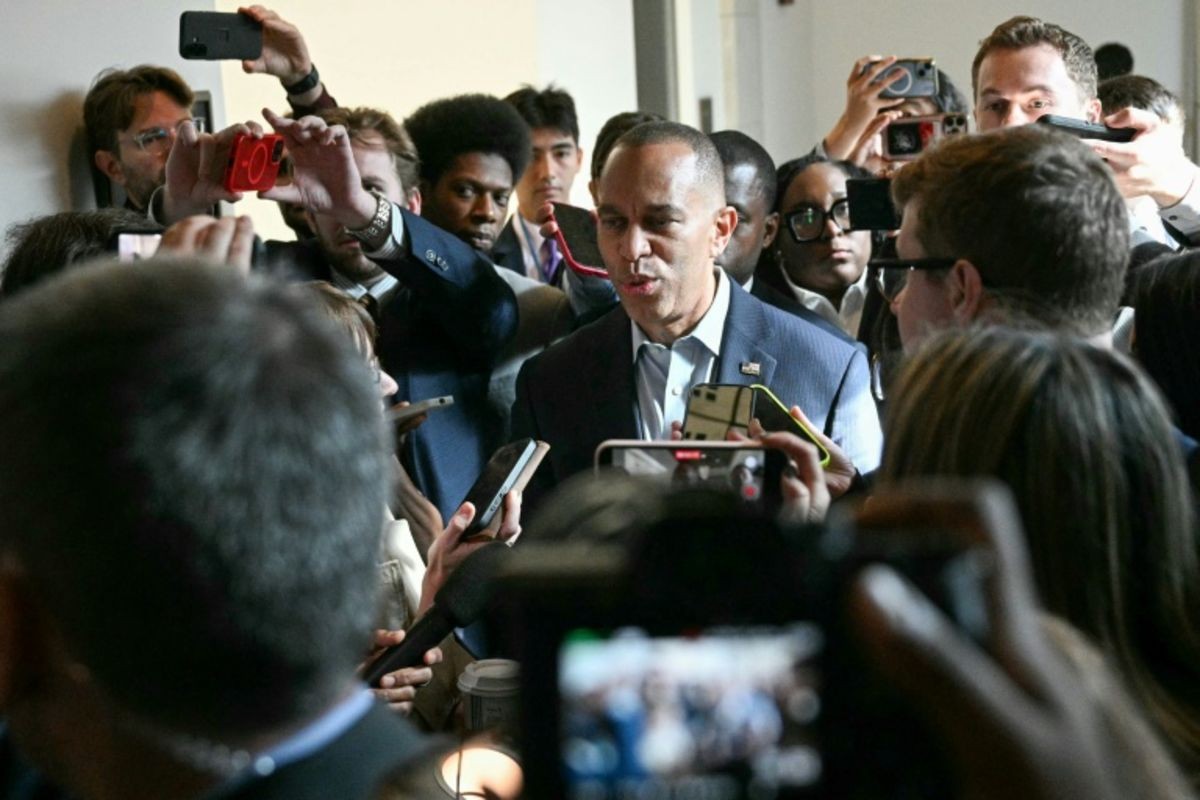
House Democratic leader Hakeem Jeffries, who is expected to become Speaker if elected by members when the new Congress convenes on January 3, 2027, has also not ruled out pursuing a third impeachment effort against Trump.
The White House has warned Democrats over their proposed investigations, arguing that the planned scrutiny of the administration could go beyond legitimate congressional oversight.
The expanded majority is expected to give Democratic leadership greater flexibility in passing legislation compared with the outgoing Republican-controlled House, where Speaker Mike Johnson struggled to secure support because of a narrow Republican advantage.
Under Johnson's leadership, Republicans operated with a 218-214 majority, leaving little room for defections when voting on legislation.
By contrast, Democrats will have enough seats to withstand disagreements among dozens of their members while retaining the 218 votes required to pass legislation, provided their full majority is present and voting.
The scale of the victory has also increased expectations within the Democratic Party to deliver on its campaign commitments.
Representative Jason Crow of Colorado said the incoming majority should feel pressure to address the challenges facing Americans, including healthcare access, livelihoods and the cost of living.
Representative Tom Suozzi of New York urged Democrats to prioritise affordability, arguing that their legislative work and investigations should demonstrate how government decisions affect ordinary households.
The election has also exposed the challenges facing Republicans, who will have to rebuild their congressional influence while Trump continues his second term.
Representative Jim Jordan of Ohio, elected by House Republicans to lead the party in the minority, pledged to fight to regain control of the chamber.
The result marks a significant reversal in congressional power since Trump's first midterm elections in 2018, when Democrats gained control of the House.
With the new Congress set to take office in January, the expanded Democratic majority will shape the legislative and oversight battles facing the administration during the remaining two years of Trump's term.