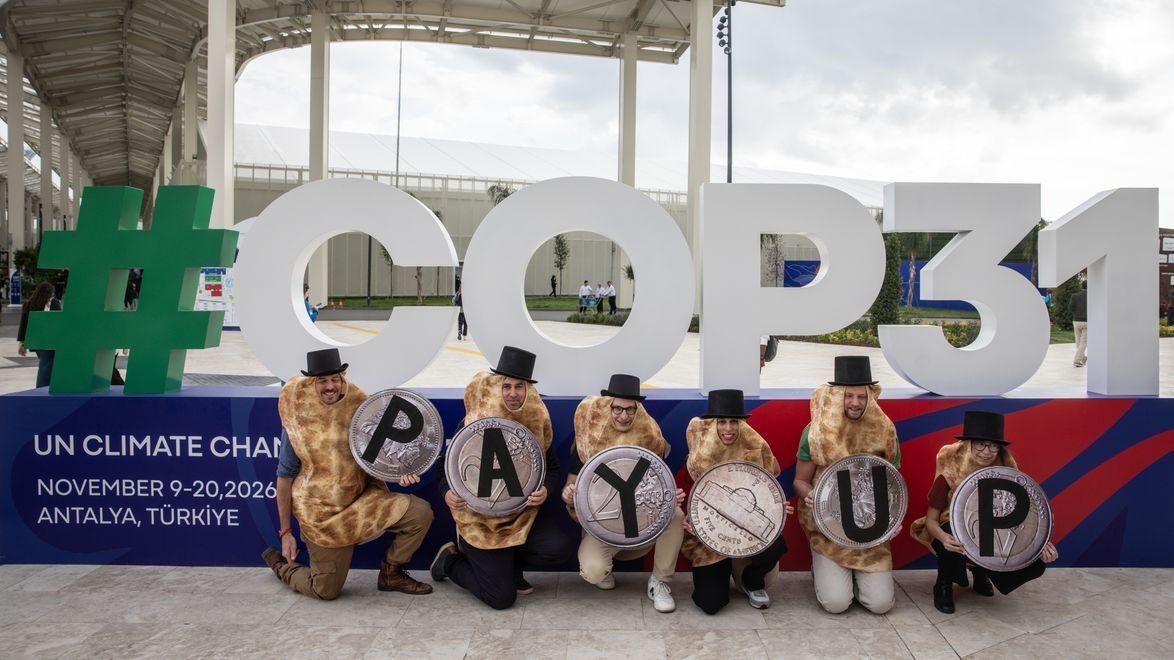
The COP31 United Nations Climate Summit in Antalya, Turkey, has ended in disarray after more than two weeks of negotiations failed to produce a consensus agreement on tackling climate change, with deep divisions over fossil fuels emerging as the main obstacle.
The conference collapsed on Sunday, November 22, 2026, after more than 190 participating countries failed to agree on the proposed Antalya Pact, marking the first major breakdown in international climate negotiations since the 2009 Copenhagen summit.
The biggest disagreement centred on whether countries should commit to moving away from fossil fuels, including coal, oil and natural gas, which remain the leading contributors to global warming.
The initial draft of the agreement called for an immediate transition away from fossil fuels in energy systems. However, subsequent drafts removed all references to fossil fuels following opposition from oil-producing countries, including Saudi Arabia.
More than 100 countries had pushed to retain the commitment, but divisions proved impossible to resolve.
The European Union, Panama, Norway and the Marshall Islands were among those that rejected the proposed agreement. Ireland's Climate Minister Darragh O'Brien said the EU would not support a deal that failed to mention fossil fuels.
COP31 President Murat Kurum acknowledged that there was insufficient consensus to adopt the pact, saying efforts to reach an agreement had been unsuccessful.
The negotiations also exposed disagreements over climate financing, particularly demands by developing countries for increased financial support to help vulnerable communities adapt to extreme weather events.
The proposed agreement called for efforts to triple adaptation financing by 2035 but failed to provide a clear financial baseline or specific funding commitments.
Climate campaigners also criticised proposals to expand carbon capture technologies, arguing that such measures could allow continued fossil fuel production instead of addressing the primary causes of global warming.
The breakdown comes amid growing warnings about the accelerating climate crisis. A recent United Nations assessment indicated that current global policies could result in temperatures rising by approximately 2.8 degrees Celsius above pre-industrial levels, significantly exceeding the internationally agreed 1.5-degree target.
The planet has already warmed by approximately 1.4 degrees, with increasingly severe floods, heatwaves and other extreme weather events recorded across different regions.
Despite the collapse, more than 90 countries signed a separate pledge to accelerate the electrification of their economies.
Negotiations are expected to resume at the next climate summit in Ethiopia in 2027.
Former Irish President Mary Robinson criticised the outcome, saying world leaders had failed to demonstrate the urgency and leadership required to address the climate emergency.