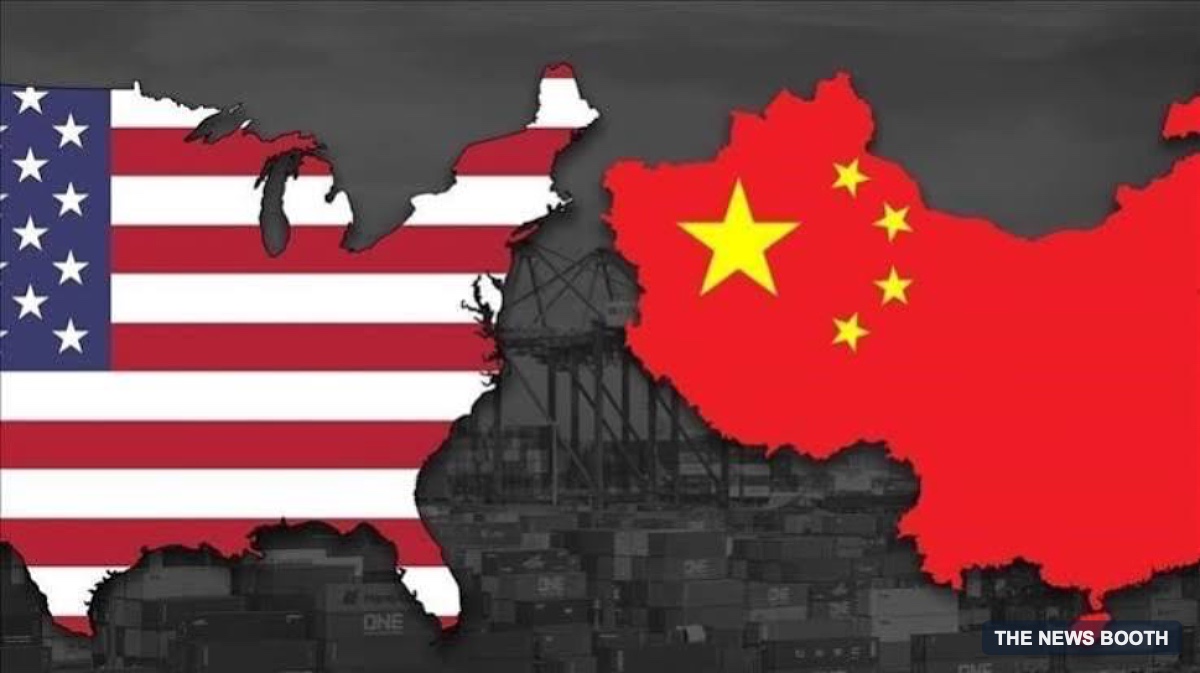
China has pushed back against new US tariff proposals targeting its manufactured goods, describing Washington's allegations of excess industrial capacity as unfounded and warning that it could take countermeasures to protect its trade interests. The objection, issued on November 26, 2026, follows the Trump administration's proposal to impose additional duties on imports from 14 trading partners, including China.
China's Foreign Ministry said it opposed the use of alleged industrial overcapacity as a justification for trade restrictions, arguing that tariff wars do not benefit either side. The country's Commerce Ministry also criticised the US action, describing it as unilateral and reserving the right to take necessary measures in response.
The US Trade Representative's Office announced the proposed tariffs on November 25 after an eight-month investigation under Section 301 of the Trade Act of 1974. Washington accused the targeted economies of maintaining manufacturing capacity through industrial subsidies, government support and other policies that it says disadvantage American producers.
China faces a proposed additional tariff rate of 20 per cent, with the possibility of an increase to 40 per cent if Washington considers ongoing trade negotiations and commitments insufficient. The proposals cover selected imports from China, the European Union, Japan, India, South Korea and nine other economies.
The dispute comes as the two largest economies seek to maintain a fragile trade truce. Their agreement includes tariff arrangements and commitments covering sensitive trade issues, including agricultural purchases and access to critical minerals.
The existing truce is due to expire on January 10, 2027, although the countries have agreed to extend it by two months. The proposed tariffs could therefore complicate efforts to preserve the agreement as both governments prepare for further negotiations.
Washington says the new measures are intended to address manufacturing practices that undermine competition and restrict US commerce. Beijing rejects that assessment, arguing that its industrial production reflects competitive advantages rather than policies designed to distort international markets.
The proposed duties are not yet in force. They will undergo a public consultation process, with comments due by January 5, 2027, and hearings scheduled to begin on January 25.
For businesses, the dispute raises uncertainty over sourcing costs, manufacturing investment and international supply chains. The next stage of US-China negotiations will help determine whether the tariff proposals are implemented, modified or become another point of contention between the two economies.