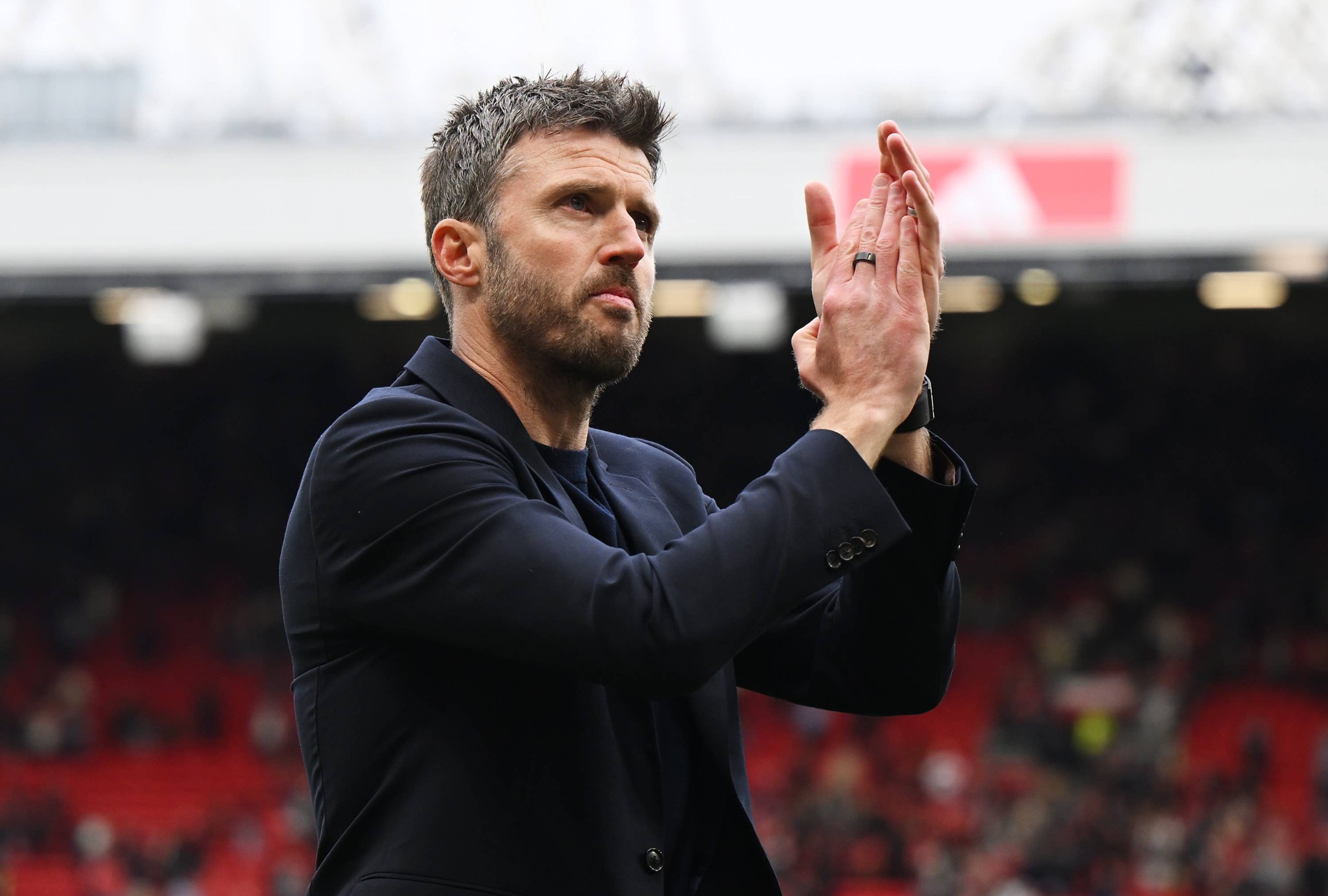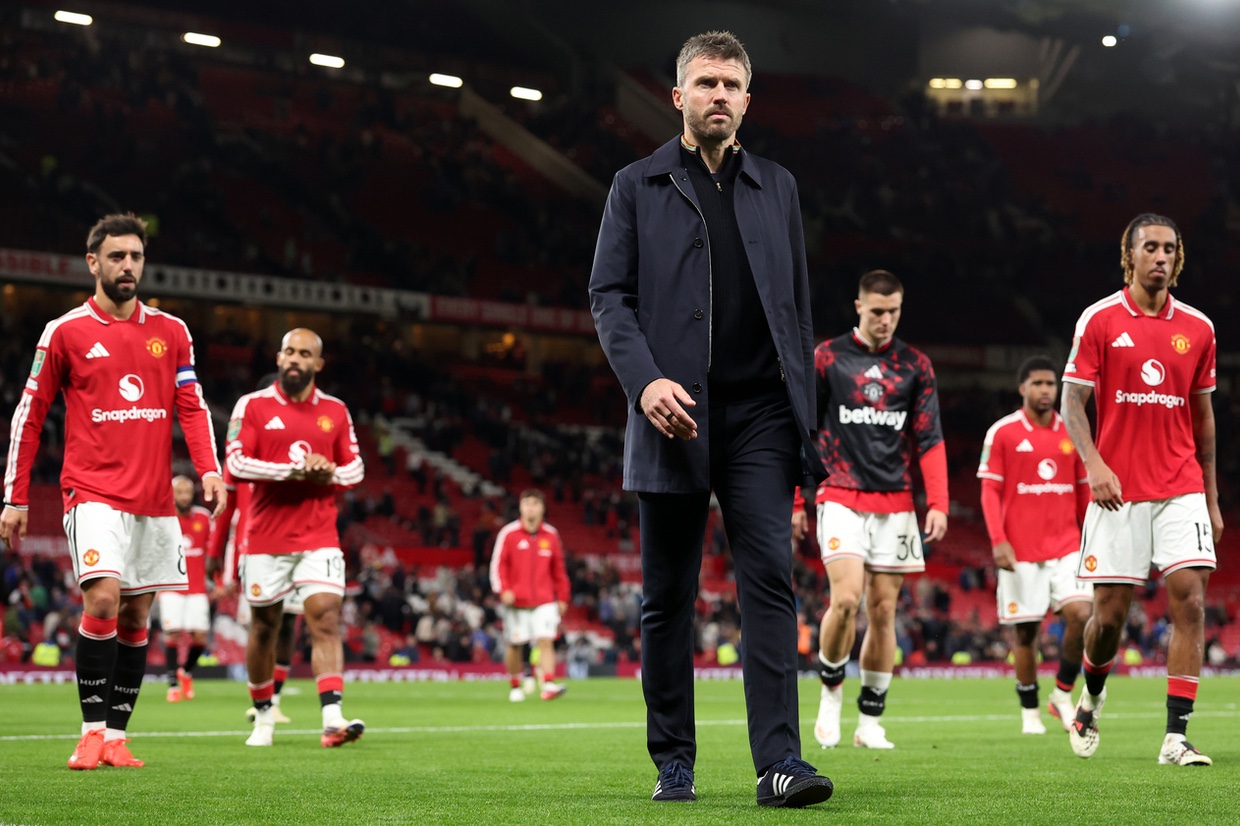
Manchester United’s decision to sack Michael Carrick after just 15 matches has once again exposed the deeper problems at Old Trafford, raising questions about recruitment, squad planning and accountability within the club’s football leadership.
Carrick’s departure on Thursday, November 12, came after United dropped into the Premier League relegation zone, sitting 18th with eight points from their opening 10 matches. The former midfielder leaves with only three victories across all competitions this season, including just one league win, despite being handed a two-year contract in May.
The dismissal represents a dramatic reversal for a manager who had restored optimism during his interim spell last season. Carrick won 12 and drew three of his 17 matches, guiding United to third place in the Premier League and securing Champions League qualification. Those achievements convinced the club to give him the permanent position, but the performances that earned him the job quickly disappeared.
United’s problems began almost immediately, with their opening performances exposing weaknesses that had not been adequately addressed during the transfer window. Defeats and dropped points against newly promoted opposition, including Hull and Ipswich, raised early concerns about the team’s organisation, attacking structure and ability to handle physical challenges.
Injuries further complicated Carrick’s plans. Amad Diallo’s ankle injury before the season opener deprived him of an important attacking option, while Benjamin Sesko’s fitness problems limited his availability. Carrick’s decision to use Matheus Cunha in positions that brought him into Bruno Fernandes’ preferred central areas also affected the team’s attacking balance.
However, the bigger concern was the club’s recruitment strategy. Manchester United invested heavily in midfield, pursuing players including Carlos Baleba, Youri Tielemans and Andrey Santos, but failed to adequately address other weaknesses in the squad.
Baleba’s arrival was delayed by an existing ankle problem and after making limited appearances, he suffered a hamstring injury. Tielemans also took time to settle, while Santos struggled to secure regular starts.
Meanwhile, United entered the campaign without adequate competition at left-back, despite Luke Shaw’s history of injury problems, and retained the same central defensive options that had been in place for several seasons.
The consequences became increasingly visible as United conceded 30 goals across all competitions, exposing defensive problems that midfield reinforcements alone could not resolve. Their inability to protect leads, maintain concentration and respond to opposition pressure became recurring features of a disappointing campaign.
Carrick must nevertheless accept responsibility for some of the decline. His tactical decisions and team selections failed to produce consistent performances, while his handling of senior players exposed further problems within the dressing room.
Fernandes was dropped for the 3-0 home defeat to Bournemouth after reportedly questioning Carrick’s tactics following the 4-1 Champions League loss to Como. The Portuguese midfielder returned to the starting lineup against Chelsea following discussions with the manager but the episode raised questions about Carrick’s relationship with influential players.
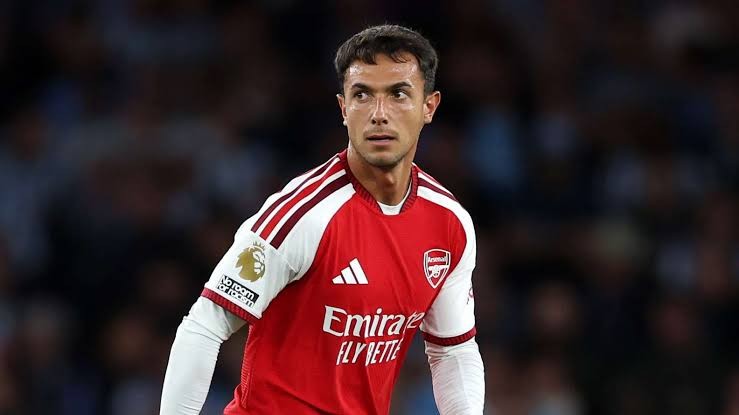
Defender Lisandro Martinez also publicly criticised the club’s summer recruitment, directing his frustration towards director of football Jason Wilcox. Such incidents suggested that dissatisfaction extended beyond the manager’s tactical approach and reflected wider concerns about the decisions shaping the squad.
The final three matches of Carrick’s tenure further demonstrated the inconsistency that ultimately cost him his position. United lost 2-0 to Chelsea after failing to maintain their first-half performance, before recovering from two goals down to beat Roma 3-2 in the Champions League.
Their subsequent 4-4 draw against Aston Villa offered another dramatic comeback, with Joshua Zirkzee and Patrick Dorgu scoring late goals after United had fallen 4-2 behind.
However, the result also exposed familiar defensive failures, making it difficult to establish whether the team was showing signs of recovery or merely surviving through individual moments.
The club’s leadership had already given Carrick three matches following the Bournemouth defeat to demonstrate that he could turn the situation around. A defeat, victory and draw across those fixtures were ultimately insufficient to change the direction of the review.
Director of football Wilcox led the assessment of Carrick’s position in consultation with chief executive Omar Berrada before the recommendation was presented to minority owner Sir Jim Ratcliffe, who controls United’s sporting policy.
The involvement of these senior officials makes the question of accountability particularly important, given their responsibility for the club’s footballing direction and recruitment decisions.
Manchester United have repeatedly changed managers since Sir Alex Ferguson’s departure, yet the instability has persisted despite significant spending and successive attempts to rebuild the squad. Removing Carrick may provide an opportunity to change the team’s direction but it does not automatically resolve the structural weaknesses that contributed to his failure.
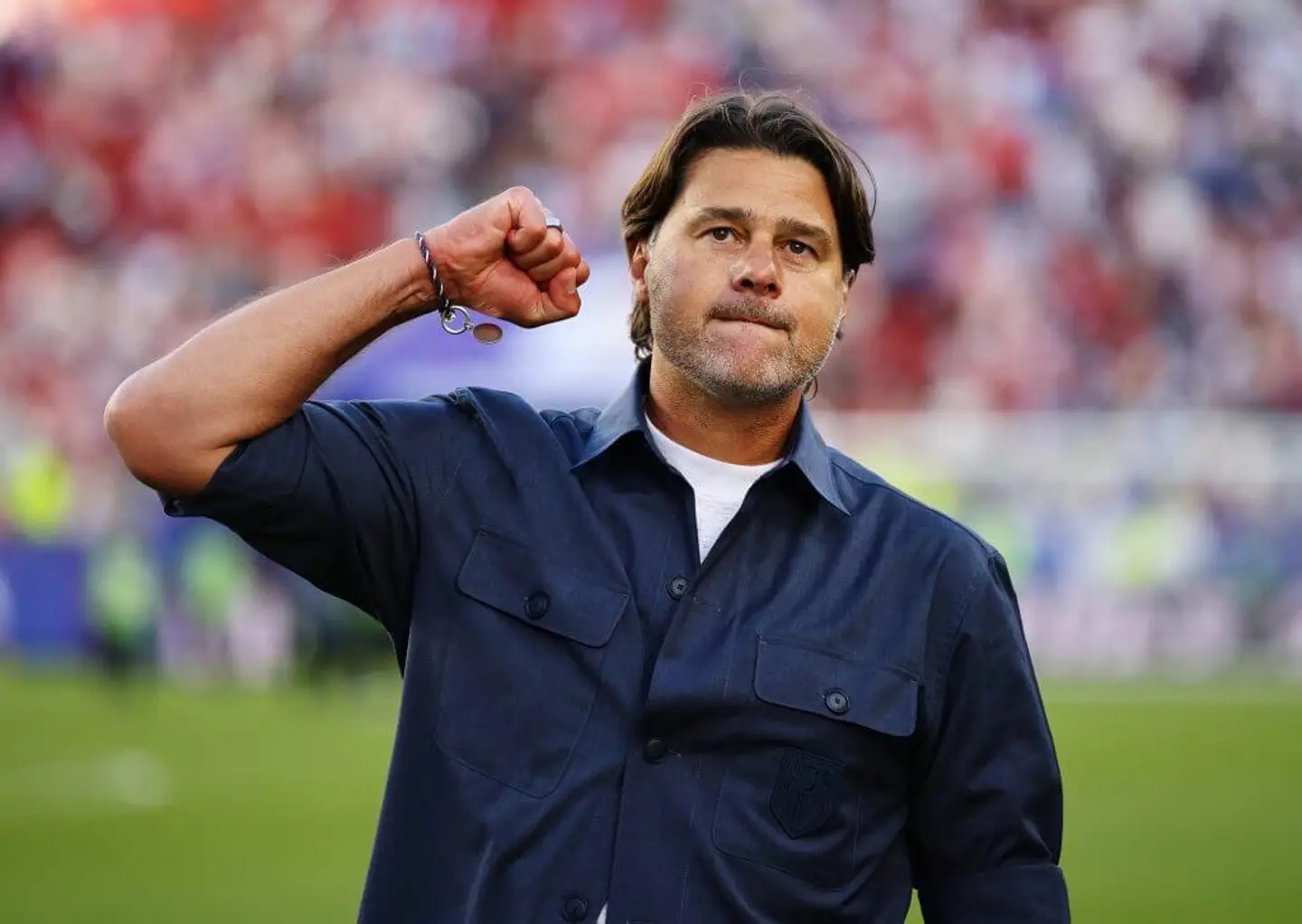
Mauricio Pochettino has emerged as the expected successor, with reports indicating that an agreement has been reached in principle. The former Tottenham, Southampton and Chelsea manager would inherit a struggling squad and the immediate challenge of moving United away from the relegation zone.
Ultimately, Carrick’s dismissal may be necessary given the club’s results, but it cannot be treated as a complete solution. If United’s leadership fails to address recruitment, squad balance and the lack of a consistent footballing strategy, the next appointment could face the same problems.
The club’s latest managerial departure therefore leaves a bigger question hanging over Old Trafford: whether those responsible for building the team are prepared to take the same level of responsibility as the man who was dismissed.