Amnesty International USA has urged members of the United States Congress to push for stronger measures to protect civilians in Sudan, calling for a sustainable ceasefire, enforcement of the arms embargo on Darfur and the deployment of a civilian protection force as the country's war continues to fuel mass displacement and widespread human rights violations.
In an advocacy campaign published on its website, the organisation is asking lawmakers to support legislation that advances a sustainable ceasefire and pressure the Trump administration to back the authorisation and deployment of a civilian protection force through the African Union or another mechanism.
It is also calling for the enforcement of the existing United Nations arms embargo on Darfur and increased pressure on the Rapid Support Forces (RSF) to allow humanitarian organisations access to affected communities and guarantee safe passage for civilians fleeing the violence.
Urgent call for civilian protection
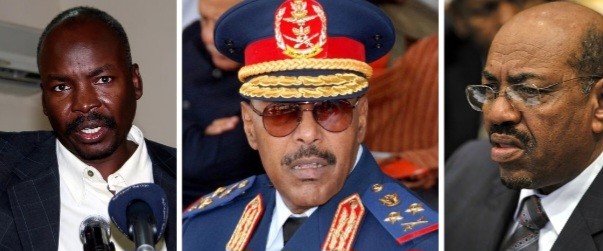
The appeal comes more than three years after fighting erupted on April 15, 2023, between the Sudanese Armed Forces (SAF), led by General Abdel Fattah al-Burhan, and the paramilitary RSF, commanded by Mohamed Hamdan Dagalo, commonly known as Hemedti.
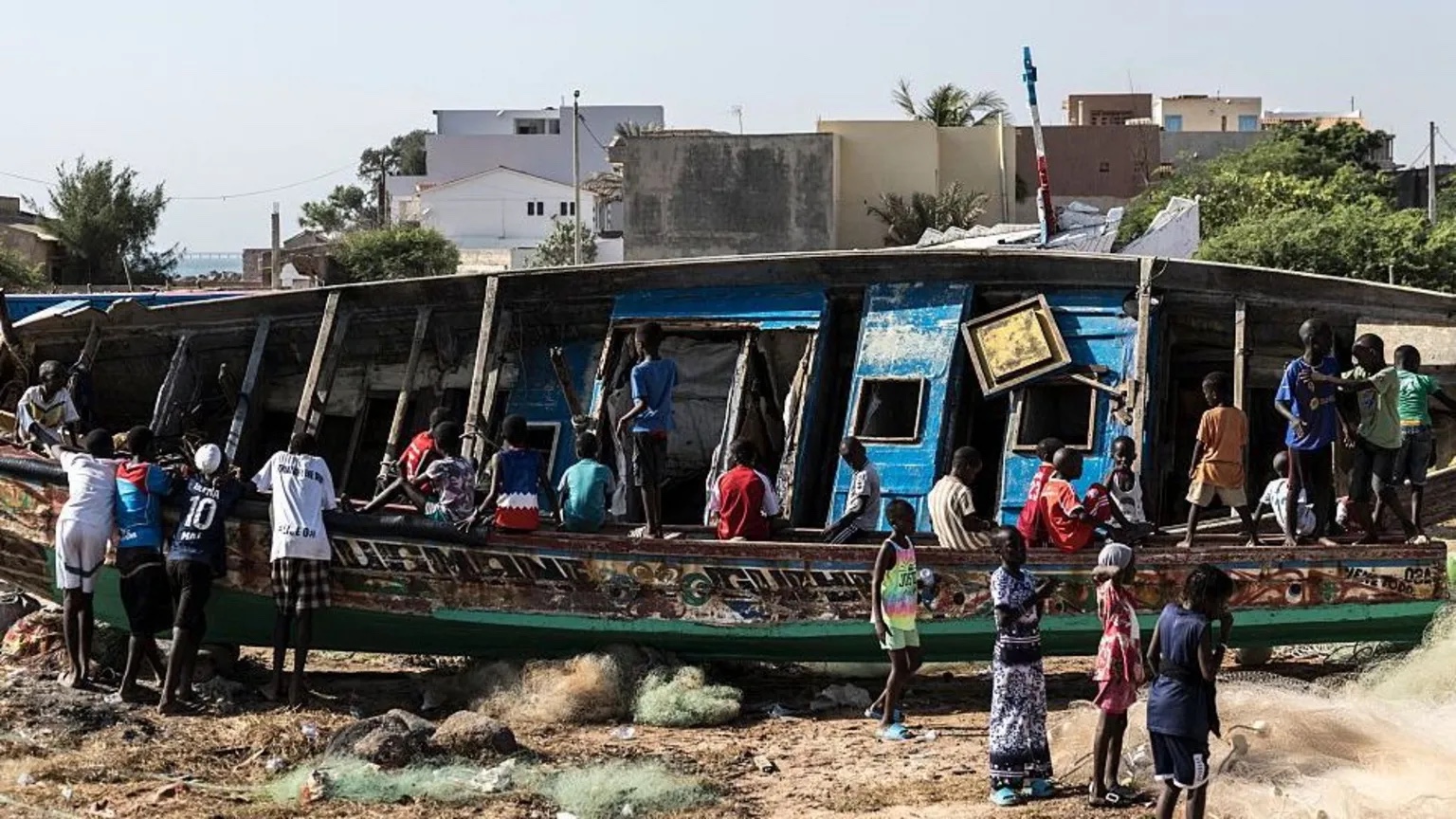
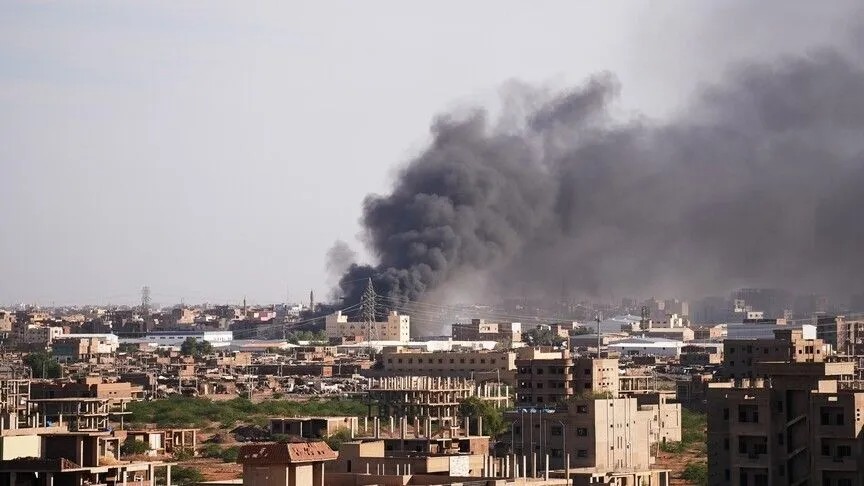
The conflict has triggered one of the world's largest displacement crises, with millions forced to abandon their homes as fighting, insecurity and attacks on civilian infrastructure continue to disrupt daily life.
In a joint statement issued on November 6, 2026, the United Nations High Commissioner for Refugees (UNHCR) and the International Organization for Migration (IOM) said approximately 8.6 million people remained displaced within Sudan, while more than 4.6 million had fled across its borders.
The agencies warned that millions of displaced families risk losing access to emergency shelter and essential household supplies because of severe funding shortages.
They estimated that 15.4 million people urgently required emergency shelter and basic household items, but humanitarian organisations could prioritise assistance for only 10 per cent of those in need.
Humanitarian crisis overview
The wider humanitarian situation remains equally concerning. UNICEF's 2026 mid-year situation report estimated that 33.7 million people required humanitarian assistance, including 17.3 million children.
The agency also reported that its humanitarian response faced a 64 per cent funding gap by the end of June, limiting the support available to affected communities.
Children have faced particularly serious protection risks throughout the conflict. According to the United Nations Office of the Special Representative of the Secretary-General for Children and Armed Conflict, 1,889 grave violations against 1,681 children were verified in Sudan.
These included the killing and maiming of 1,331 children, sexual violence against 193 children, the recruitment and use of 63 boys, and attacks on 41 schools and 74 hospitals.
Children's protection risks
Human rights investigations have also documented widespread abuses by both sides. In an April 13, 2026 joint statement, the UN Independent International Fact-Finding Mission for Sudan and the African Commission on Human and Peoples' Rights said the SAF and RSF were responsible for grave violations, including killings, arbitrary detention, torture and indiscriminate attacks.
The investigators further identified widespread sexual violence and ethnic targeting among the RSF's violations, particularly against non-Arab communities in Darfur.
Their findings on the RSF's October 2025 takeover of El Fasher identified identity-based targeting of Zaghawa and Fur communities in a pattern bearing the hallmarks of genocide.
Amnesty's appeal seeks to translate international concern into concrete action by the US government, including measures to restrict the flow of weapons, improve civilian protection and ensure humanitarian assistance reaches people affected by the fighting.
Amnesty's proposed actions
The organisation is urging Congress and the Trump administration to use their influence to advance these measures, while pressing the RSF to facilitate humanitarian access and safe passage for civilians seeking to escape the violence.